
Observations
Who decides what is beautiful?
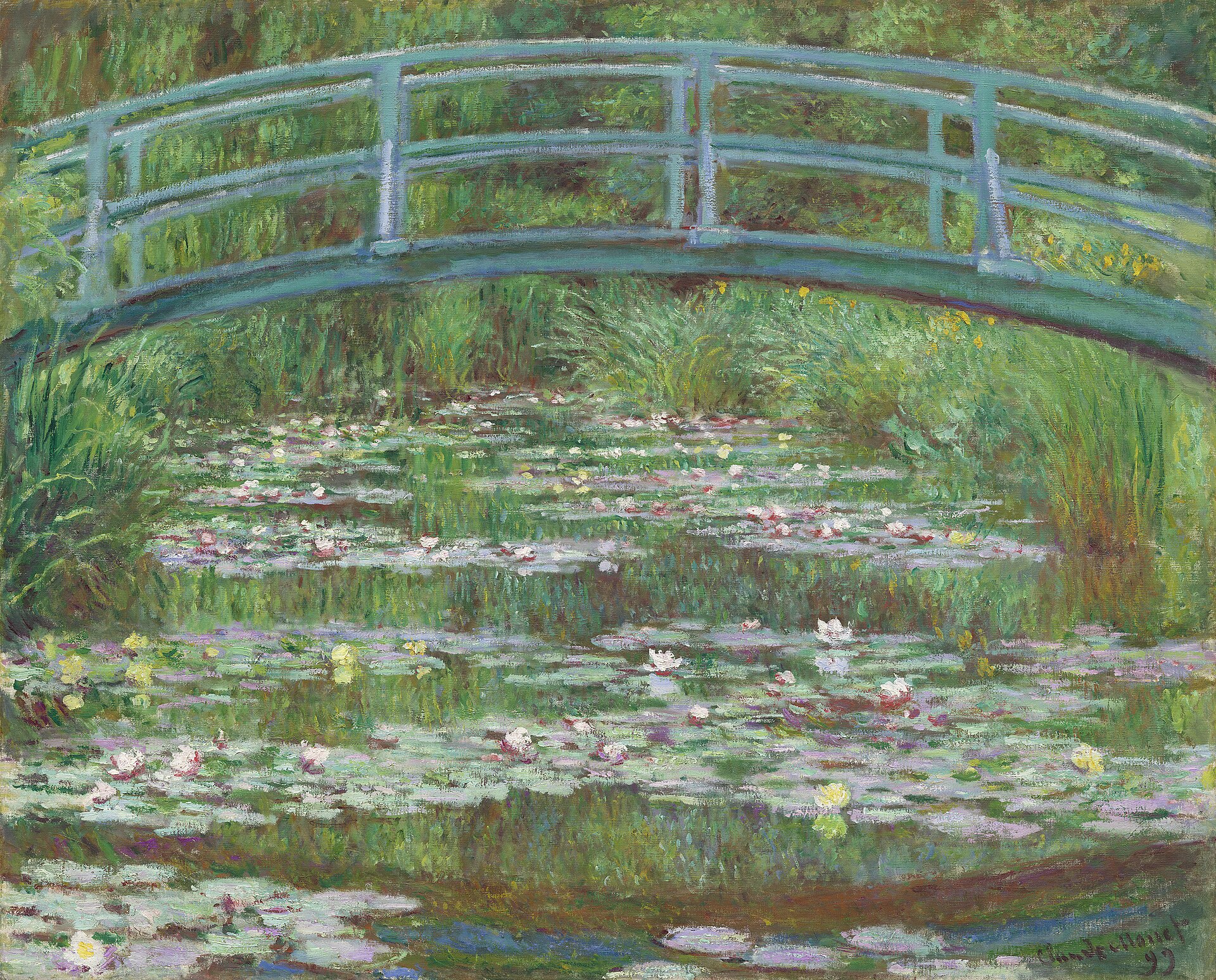
Are we genuinely moved by an artwork, or have we been taught to admire it? Monet saw the world through colour, light and emotion rather than precision. Once ridiculed, Impressionism is now celebrated for its extraordinary beauty. What changed? The art itself, or the way we learned to see it?
27 Nov 2026 · 3 min read
Have you ever stood in front of a painting that everyone seemed to admire and felt absolutely nothing?
Perhaps you stood there a little longer, trying to understand what others were seeing. Perhaps you read the description beside it, hoping the words would change the way you felt. Or perhaps you simply nodded and walked away, wondering whether you had missed something.
And then, on an ordinary afternoon, you came across a painting in someone's home, a handmade ceramic bowl or a drawing by a child. Something with no famous name attached to it, no extraordinary price, yet something about it stayed with you.
Why do we trust our feelings in one moment and question them in another?
Monet saw the world through colour, light and emotion rather than precision. Once ridiculed, Impressionism is now celebrated for its extraordinary beauty.
What changed? The art itself, or the way we learned to see it?
It is fascinating to think that some of the paintings people travel across the world to admire today were once dismissed by critics. What we now consider masterpieces were, at one point in history, considered unfinished, unconventional or simply unworthy of admiration.
The colours have not changed. The brushstrokes remain exactly where the artist left them. Yet somewhere between then and now, society changed its mind.
It makes you wonder how much beauty exists around us today that we have not yet learned to appreciate.
From a young age, we are taught what is considered beautiful. Our families, cultures, education and surroundings quietly shape our taste. As we grow older, museums, galleries, collectors and the people we admire continue to influence what we consider worthy of our attention.
A painting becomes more desirable when we discover who painted it. An object becomes more interesting when we learn how much it costs. Sometimes, the very same artwork looks different to us simply because we now know its value.
But the painting has not changed. We have.
There is great importance in understanding the history of an artwork, the life of its maker and the intention behind it. Knowledge can deepen our appreciation, but it should never make us feel inadequate for experiencing art differently.
Perhaps some of the artists we overlook today will be celebrated by generations that come after us. Perhaps the things we dismiss now will one day hang on the walls of the world's greatest museums. And perhaps some of us already see beauty in things the rest of the world has yet to recognise.
There is something rather sad about living in a world where we sometimes need permission to admire something. Where we hesitate to express our own taste because it may not be sophisticated enough, educated enough or aligned with what is celebrated.
Art should be one of the few places where we are free from that pressure.
You are allowed to love a painting that has never been exhibited. You are allowed to walk past a masterpiece without being moved. You are allowed to find extraordinary beauty in something that the rest of the world has overlooked.
History has shown us, time and time again, that what society considers beautiful is not permanent. Taste evolves, opinions change and yesterday's criticism becomes tomorrow's admiration.
Perhaps the next time we stand before a work of art, we should give ourselves a moment before looking for the artist's name, reading the description or asking about its price.
A moment to simply look. And ask ourselves, without anyone else's influence: What does this make me feel?
We should not have to wait for the world to celebrate something before allowing ourselves to find it beautiful.
Artwork credit: Claude Monet, The Japanese Footbridge, 1899. National Gallery of Art, Washington.